

Montessori In A Glimpse
Maria Montessori believed that children learn best when they are respected, given freedom within limits, and encouraged to do things for themselves.
The new educational approach she created was not formed from theory alone, but through years of carefully observing children and seeking to understand their natural development.
As the first female doctor in Italy, Montessori worked closely with children from the poorest communities in Rome. Through these experiences, she realized that many children were not lacking intelligence or ability. Rather, they simply lacked the right environment and opportunities to fully develop their potential.
One of the most significant moments in her work came when she was placed in charge of a nursery in one of Rome’s poorest neighborhoods. Many of the children were difficult to manage, some disorderly, some impatient. To help the children, Montessori introduced simple, meaningful activities that allowed the children to take part in everyday tasks and care for their surroundings. To her surprise, even very young children found great joy in practical activities. As they were given responsibility and independence, their behavior gradually changed. They became calmer, more focused, and more confident. The children also began showing kindness, responsibility, and respect towards one another.
Montessori soon recognized how important the environment was in supporting a child’s independence. She introduced child-sized furniture and materials that children could use without constant adult help. , she provided small rugs as she observed children love to sit on the floor and taught them to move carefully around each other’s workspace, helping create a sense of order and respect within the classroom.
Through years of observation, Montessori discovered that children pass through different stages of development (Sensitive Periods), each with its own unique interests, sensitivities, and ways of learning. She also noticed that children naturally thrive in calm and orderly environments where everything has its proper place. In such spaces, children felt secure, focused, and more deeply engaged in their work.

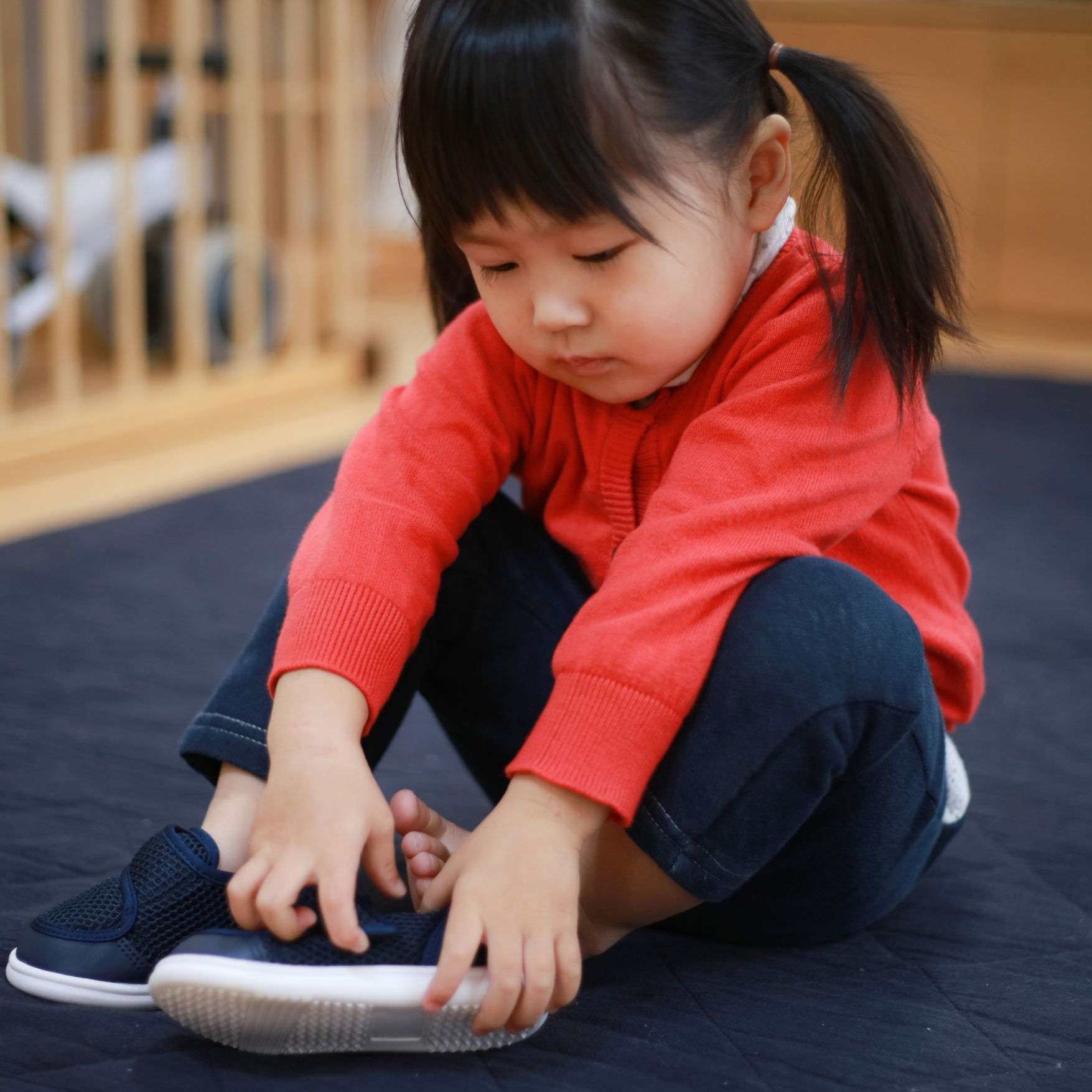
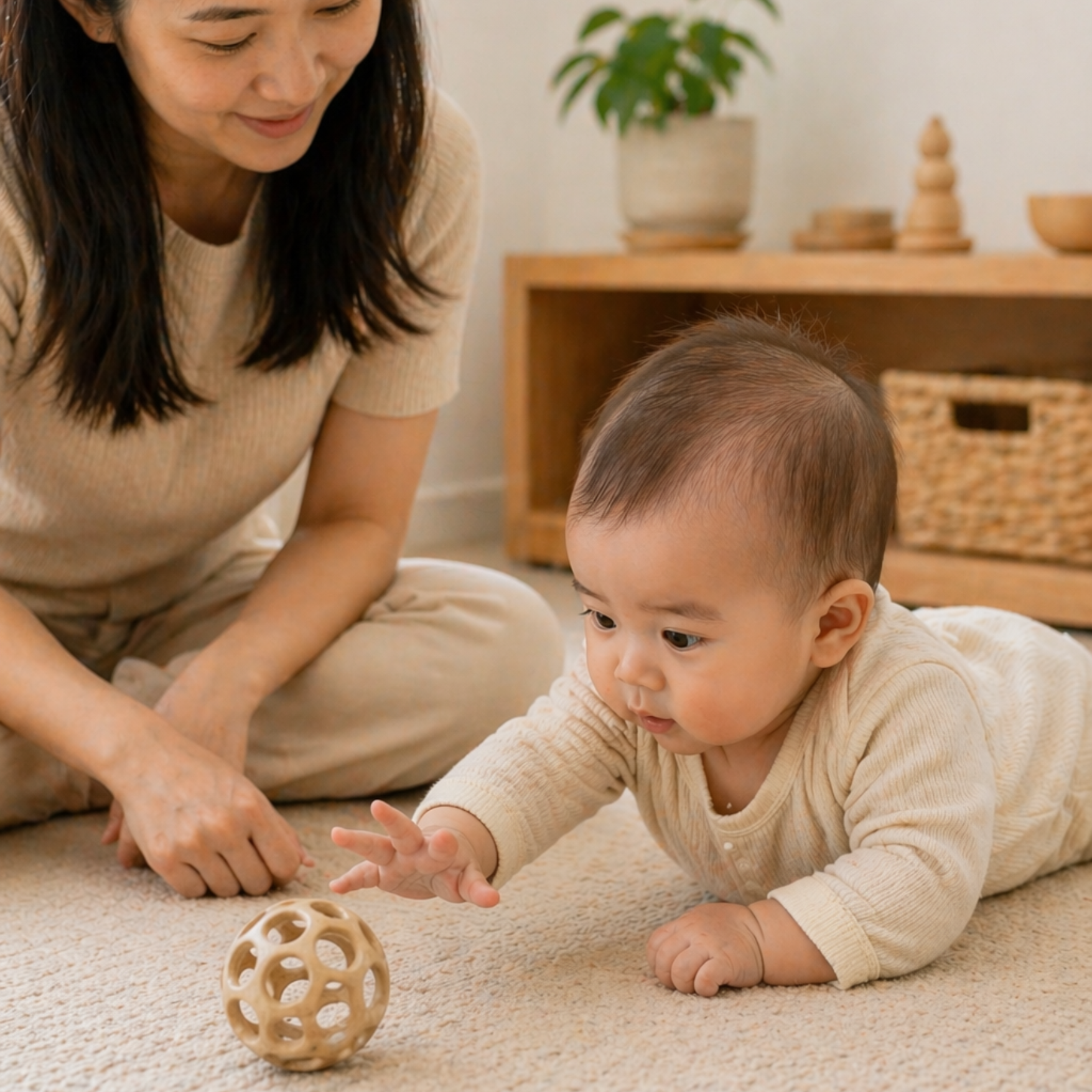
Trusting in the child’s ability
Children grow in confidence, independence, and capability when they are given the chance to do things for themselves. Instead of stepping in too quickly, adults are encouraged to observe, guide when needed, and trust in the child’s natural ability to learn and develop through experience.